
Safeguarding Focus - mental health and wellbeing, emotional regulation
.jpg)
Emotion regulation is the ability to manage our emotions. There are lots of emotions that we all experience such as happy, sad, and angry plus others. We experience these emotions in response to our thoughts and feelings and because of what is happening around us. We are all different so the same thing could happen to two people and yet they could both feel totally different emotions! For example, if a family member is having a baby one person might feel very happy and another might feel worried about the change.
Younger children in particular need support to regulate their emotions. This can also be true of older children, particularly in times of crisis.
Why is Emotion Regulation important?
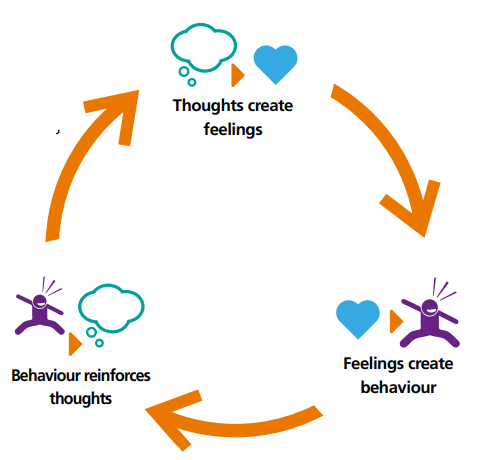
Emotion regulation is important because our emotions are closely connected to how we think and feel.
Our thoughts and feelings help us to decide how to respond to a situation and what actions to take. In other words, our thoughts and feelings influence our behaviour. If we learn skills to regulate our emotions, then instead of acting impulsively and doing something we might later regret, we are able to make smart choices. Making smart choices makes our life easier and helps with our mental health.
Emotion Coaching
Emotion coaching is a technique by which a child is supported to recognise their emotions and come up with a plan to help them solve the problem. It can help children to build close and trusting relationships with you. It also provides an opportunity for children to learn how to manage their emotional ups and downs.
The steps of Emotion Coaching in practice are:
1. Tune in: Notice or become aware of your own and your child’s emotions. Make sure you are calm enough to practice emotion coaching; otherwise, you might want to take a break.
2. Connect: Use this situation as an opportunity for you to practice and for your child to learn. State what emotions you think your child is experiencing to help them connect their emotions to their behaviour.
3. Practice empathy: Put yourself in your child’s shoes, think about when you felt a similar emotion, and try to remember what it feels like.
4. Reflect: Once everyone is calm reflect on what happened and why it happened.
5. End with Problem Solving and Setting Limits: Whenever possible, try to end the situation by guiding and involving the child in problem-solving
Find out more on Emotional Regulation.