
Skip to content ↓

Junior School News

Welcome to our latest news section, where you can read all about the latest events and stories from around the school.

Here, you can also view 'The Warwickian', our termly celebration of all things Warwick School.

Page 4

  • Safeguarding Focus – self-harm

    Published 26/03/26

    Why do teenagers and children self-harm? 
    The reasons children and teenagers self-harm will be different for everyone. They might not be able to name any one reason they’re self-harming. 

    Self‑harm is usually a way for young people to cope with difficult feelings, memories, or situations. With understanding, compassion, and the right support, recovery is possible.  
     

    Signs of self-harm in children and teenagers 
    Self-harm is when someone hurts themselves on purpose as a way of expressing or relieving distress, overwhelming emotions, or fear.

    It can be hard to recognise the signs of self-harm in children and teenagers, but it’s important to trust your instincts if you’re worried something’s wrong. 
     

    Some common forms of self-harm include:  

    • Cutting themselves. 
    • Burning their skin.  
    • Scratching or biting themselves. 
    • Hitting themselves or walls. 
       

    But self-harm isn’t always visible. It can also include taking part in risky or harmful behaviours, such as:  

    • Using drugs or alcohol to cope with problems. 
    • Unsafe sexual behaviour. 
    • Disordered eating, such as under- or over-eating. 
    • Excessive exercising. 
    • Doing dangerous things / acting in a reckless or unsafe way
       

    It can be hard to see self‑harm, especially since many people try to hide it. If you’re concerned, here are common signs to watch for: 

    • Unexplained cuts, bites, burns, bruises, bald patches. 
    • Always keeping themselves fully covered, for example, wearing long sleeves or trousers even during hot weather or avoiding activities such as swimming.  
    • Signs of depression, anxiety or mood swings.   
    • Withdrawing from friends or family.  
    • Expressing low self-esteem, for example, saying they’re not good enough. 
       

    Things to do to help:

    • showing them you’re there whenever and however they choose to talk 
    • listening and not asking too many questions about why they've self-harmed, which may make them feel judged 
    • letting them know that you care about them and want to help them find healthier ways to cope 
    • reassuring them it’s OK to be honest with you about what they’re going through.  
    • focus on what's causing the self-harm - remember, an underlying problem often causes self-harm. It can be more helpful to focus on what’s causing their feelings rather than on the self-harm itself. 
    • Encourage them to find healthy ways to cope e.g. paint, draw or scribble in red ink, deep breathing or going for a walk 
    • Help them to build their confidence.  Many children who self-harm suffer from low self-esteem or confidence.  

    Remind them about the things they do well. Try to focus on things about their personality rather than things like their academic achievements or sporting abilities. 

    • Encourage them to try something new e.g. drawing, music, exercise 
       

    Below are some useful websites for tips and advice: 

    https://www.nspcc.org.uk/advice-for-families/self-harm/

    https://www.barnardos.org.uk/get-support/support-for-parents-and-carers/self-harm-children-young-people#signs

    Advice for children can be found via Childline: https://www.childline.org.uk/info-advice/your-feelings/self-harm/self-harm-coping-techniques/ 

    Read More
  • Junior reading challenge update

    Published 25/03/26

    Congratulations to the following boys who have completed the Warwick Junior School Reading Challenge this term: Dara S B, Dara B, Christopher, Rory, Dyal, Niyam, Raayan, Nico, George, Hunter, Reuben, Aarav, Harry, Yuvraaj and Eddie.  Each of them has read six books that meet the Challenge criteria, earning a Diploma Credit in Exploring the Arts as well as a star on the Library’s Wall of Fame. Very well done to all!

    The Challenge remains open, and the School Holidays offer a wonderful opportunity to keep reading. Remember to bring your Challenge card to Mrs Evason next term to have it stamped. If anyone has mislaid their card and would like a replacement, please see Mrs Evason in the Library.

    We look forward to seeing how many boys will complete the Challenge next term!

    Read More
  • The Junior Easter Concert

    Published 25/03/26

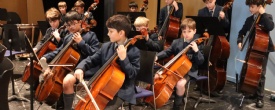
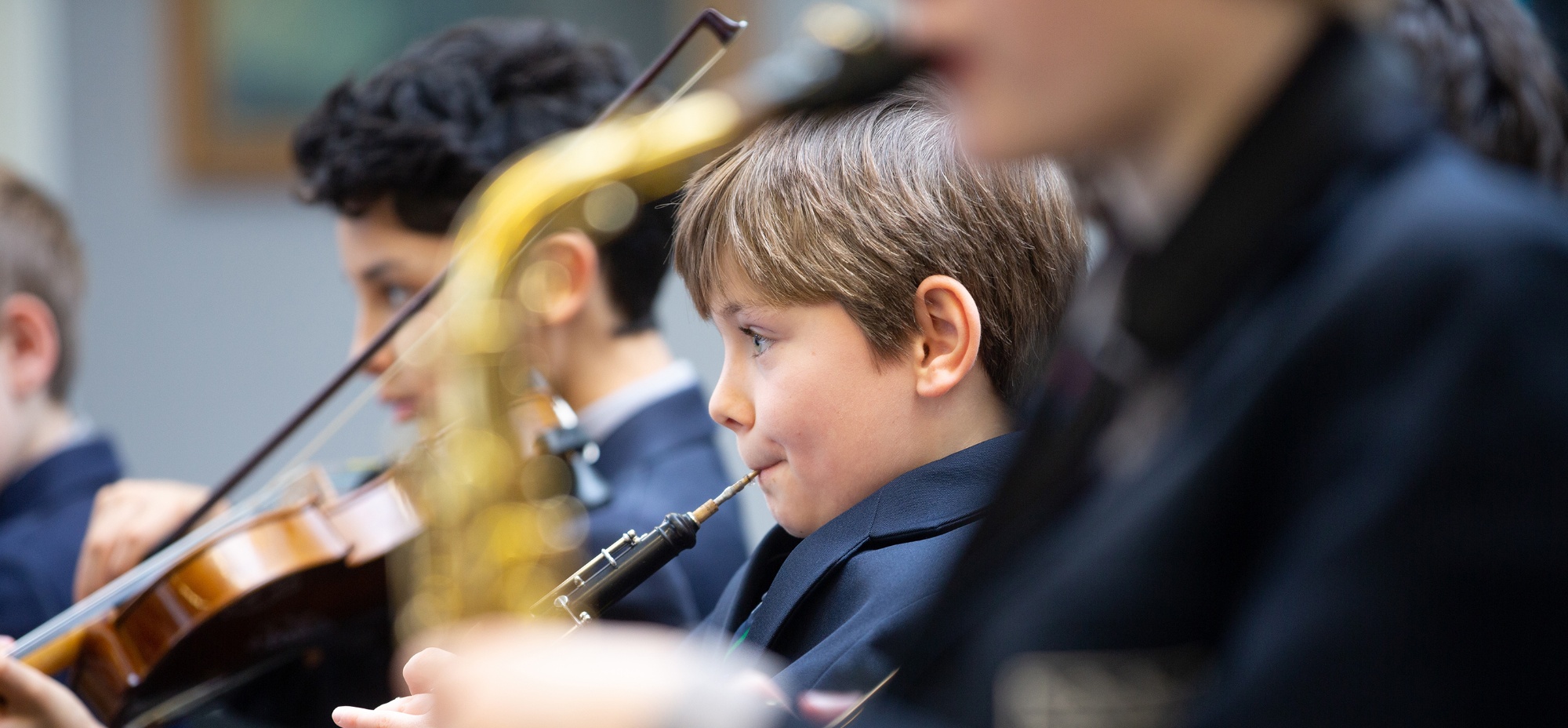
    The Easter Music Concert took place on 23 March in Warwick Hall and it was a celebration of music from around the world. The orchestra performed ‘Juba Dance’ by Florence Price with great flair, while our newly established Percussion Ensemble presented a piece inspired by Zimbabwean music. The Dynamo Strings’ performance of ‘Venezia’ was full of energy and showcased one of our most diverse groups in terms of ability and experience.

    Our smaller ensembles brought flavours of music from Spain, the Philippines, Brazil, and America. The boys in the jazz and rock bands never fail to impress with their flair and talent, performing well-known classics with a fusion twist for this concert. Special mention must also go to All Stars for their showstopping entrance to ‘Pirates of the Caribbean’, which was a highlight of the evening.

    Read More
  • Year 6 Golf Competition

    Published 25/03/26

    Last week, eight Year 6 golfers played the castle course at The Warwickshire. Conditions were brutal. The highest point in Warwick was also the windiest and the coldest as the boys took to the course.

    Golf is hard enough at the best of times. A day like this only made it tougher. Unsurprisingly the scores were higher than the boys probably hoped but all the golfers persevered and enjoyed their afternoon.

    Joint winners Rory and Alfie will now have the opportunity to represent the school at the IAPS golf competition whilst Ike won the nearest the pin competition with an accurate iron shot.

    Well done boys!

    Thanks to coaches Tom and Ben for everything they continue to do for our junior golfers.

    Read More
  • At top-secret adventure at Bletchley Park

    Published 20/03/26

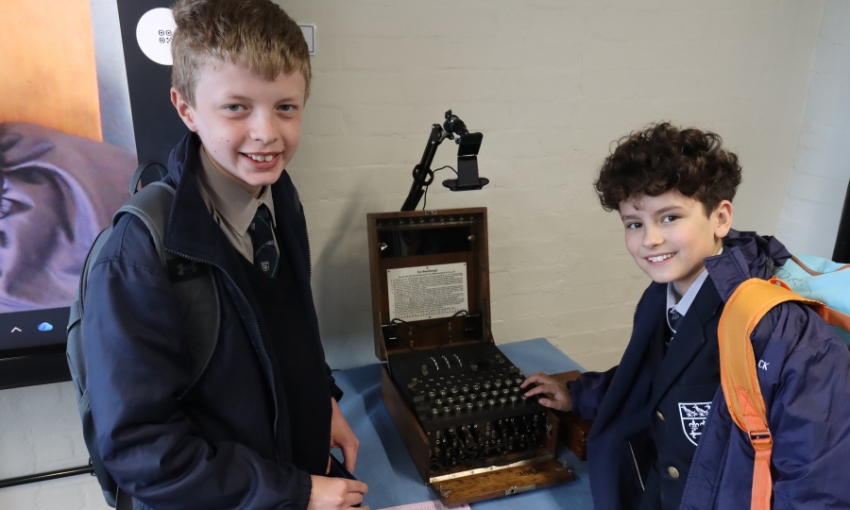
    Bletchley Park is a very famous place, and we were excited to visit it. One of the most interesting things we learnt was that the first computer was made there. It was one of the most amazing facts we discovered during our trip.

    When we arrived, we took part in an activity where there was a map on a screen. We had to decode six different messages to create a master plan. One of the instructions we had to follow was, “find a clear path.” This activity helped us understand what it might have been like working at Bletchley Park during the war.

    We also had a guided tour, where some of us got to play different characters. This was super fun and made the experience feel more real. After that, we had some free time to explore the site. We visited the AI area, where there was a screen that asked us to say three sentences. Then it played our voices back using AI, making it sound like we were speaking in different countries such as China and Germany.

    Another interesting part of the visit was learning about the secrecy of Bletchley Park. There were small telephones we could use to listen to what people who worked there had said. At the time, most people did not know what was happening there. However, people who lived nearby thought something strange was going on because there were army vehicles coming in and out, and guards were watching the gates day and night.

    We also learnt that two people died trying to save a Morse code book so that Bletchley Park could continue to decode messages. The book is still kept there today.

    During our visit, we were given a clipboard with a top-secret booklet. It contained questions and challenges that we had to complete in different areas around Bletchley Park, which made exploring even more exciting.

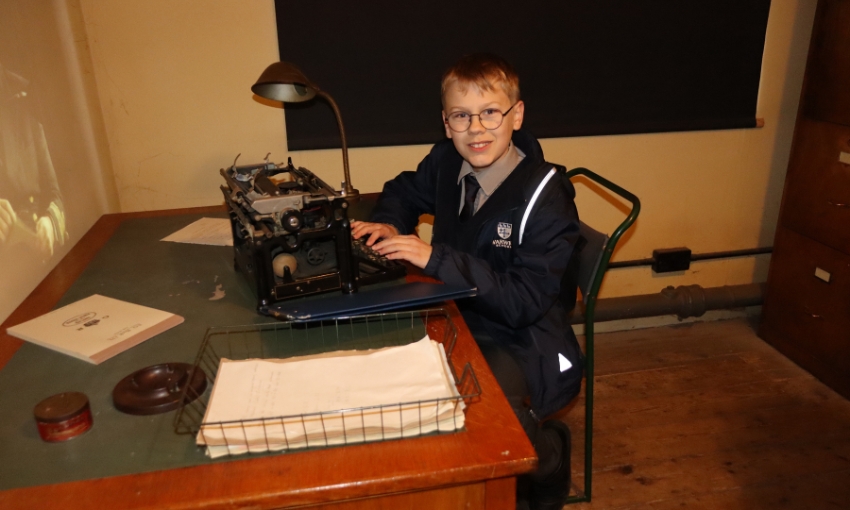
    Our highlights of the day were visiting Hut 6, where people used to translate and write Morse-coded messages, and learning about the history and story of Bletchley Park.

    Overall, it was an absolute privilege to visit, and we would 100% recommend it!

    By Austin J and Louie B, 6RS


    Read More
  • Safeguarding Focus - mental health and wellbeing, emotional regulation

    Published 19/03/26

    Emotion regulation is the ability to manage our emotions. There are lots of emotions that we all experience such as happy, sad, and angry plus others. We experience these emotions in response to our thoughts and feelings and because of what is happening around us. We are all different so the same thing could happen to two people and yet they could both feel totally different emotions! For example, if a family member is having a baby one person might feel very happy and another might feel worried about the change.  

    Younger children in particular need support to regulate their emotions. This can also be true of older children, particularly in times of crisis. 

    Why is Emotion Regulation important? 

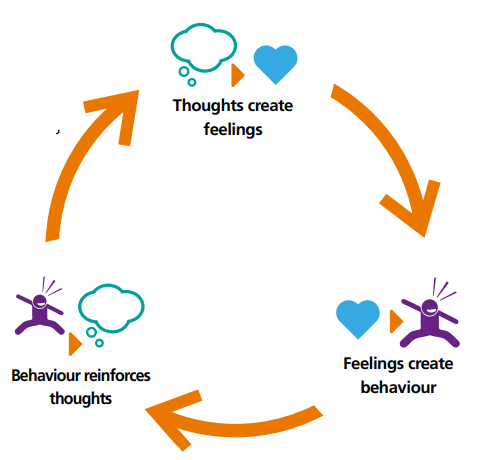
    Emotion regulation is important because our emotions are closely connected to how we think and feel.  

    Our thoughts and feelings help us to decide how to respond to a situation and what actions to take. In other words, our thoughts and feelings influence our behaviour. If we learn skills to regulate our emotions, then instead of acting impulsively and doing something we might later regret, we are able to make smart choices. Making smart choices makes our life easier and helps with our mental health.

    Emotion Coaching 

    Emotion coaching is a technique by which a child is supported to recognise their emotions and come up with a plan to help them solve the problem. It can help children to build close and trusting relationships with you. It also provides an opportunity for children to learn how to manage their emotional ups and downs. 

    The steps of Emotion Coaching in practice are: 

    1. Tune in: Notice or become aware of your own and your child’s emotions. Make sure you are calm enough to practice emotion coaching; otherwise, you might want to take a break.  

    2. Connect: Use this situation as an opportunity for you to practice and for your child to learn. State what emotions you think your child is experiencing to help them connect their emotions to their behaviour. 

    3. Practice empathy: Put yourself in your child’s shoes, think about when you felt a similar emotion, and try to remember what it feels like. 

    4. Reflect: Once everyone is calm reflect on what happened and why it happened. 

    5. End with Problem Solving and Setting Limits: Whenever possible, try to end the situation by guiding and involving the child in problem-solving 


    Find out more on Emotional Regulation.

    Read More
  • Mr Bond's week in review - 20 March

    Published 19/03/26

    It has been a wonderfully varied and uplifting week here in the Junior School as we approach the end of term. 

    Our week began on a musical high, with the Junior Foundation Orchestra spending much of Monday rehearsing for the Warwick Foundation Concert, which I look forward to attending this evening. This event offers a fantastic opportunity for our boys to make music alongside pupils from across the Foundation, and we are proud of the commitment they have shown. It has also been a significant week for many of our young musicians who have undertaken their music exams. Congratulations to all those who stepped forward with such confidence, and we eagerly await your results. 

    It was equally busy in the games department, with hockey, football and rugby fixtures taking place across the school. We send our very best wishes to the Year 6 boys competing today in the Midlands Hockey Finals and the ISFA National Football qualifiers. 

    On Tuesday, Year 5 enjoyed glorious weather for their visit to the Botanical Gardens. The boy represented the school superbly, embracing the learning opportunities and making the most of a rewarding day out. 

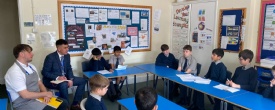
    As some of you will have seen in our recent Inspection Report, pupil voice and leadership play a vital role in school life. With this in mind, it was a pleasure to attend the School Council meeting this week. Expertly chaired by our Year 6 representatives, and supported by Ms Sayers and Mrs Robertson, the boys led thoughtful discussions which included the opportunity to pose questions and suggestions to members of our catering team.  Ideas discussed ranged from homework and food waste to themed days, Link events with the Prep School, and even suggestions about classroom decor. Their conduct and maturity were a real credit to them, and we look forward to seeing the continued impact of their contributions. 

    This evening, our thanks go to the PAWS volunteers for organising a very popular Film Night for our Year 5 and 6 boys. It will provide a wonderful chance for them to unwind and enjoy time with friends at the end of such a full and energetic week. 

    I look forward to welcoming many of you to our Spring Concert on Monday evening. In the meantime, I wish you all a restful and enjoyable weekend. 

    John Bond 

    Read More
  • The Amazing Adventures of Superstan

    Published 19/03/26

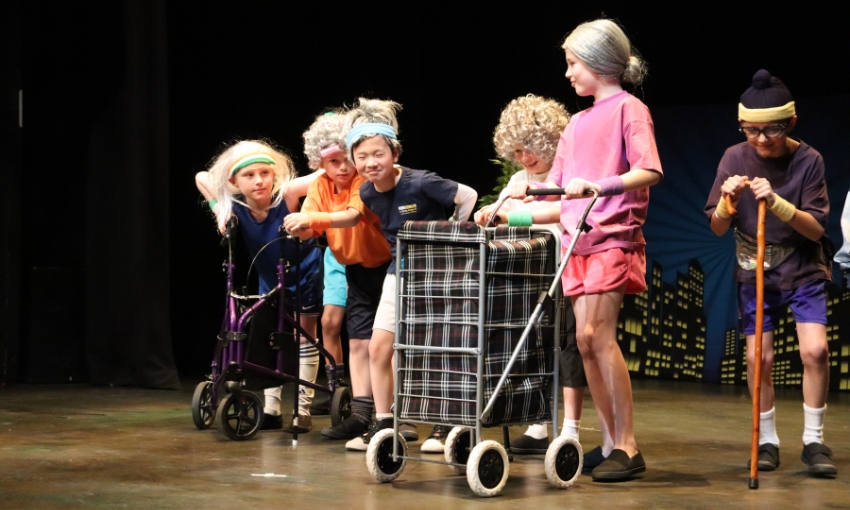
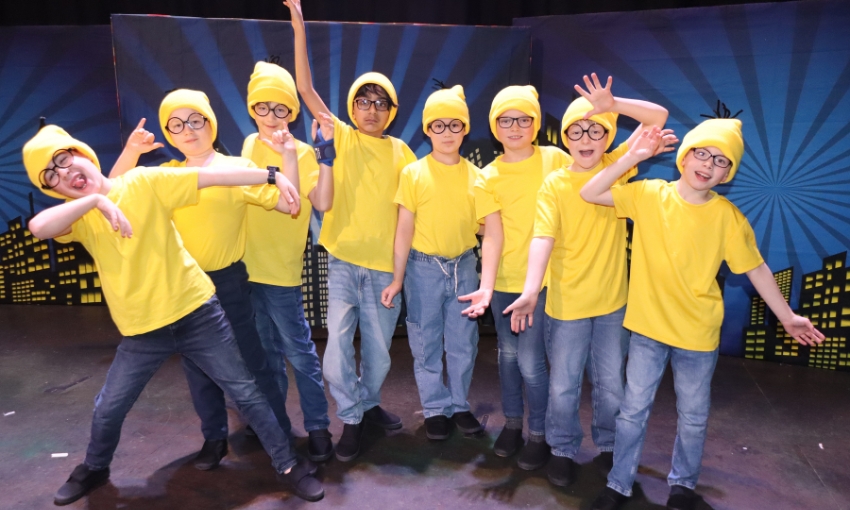
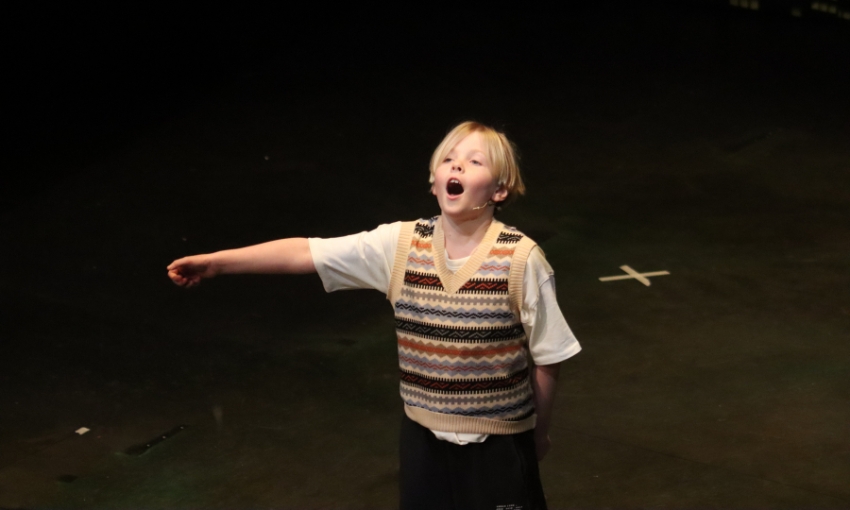
    Year 4 took to the stage with their production of The Amazing Adventures of Superstan — and what a fantastic performance it was!

    The story follows Stanley Marvel, an unlikely hero who discovers that the Candy King is secretly a villain and must find the courage to become the superhero Megaville needs.

    The real stars of the show were the boys themselves. They were full of energy, confidence, and enthusiasm throughout. Their excellent acting, lively singing, and enthusiastic dancing had the audience laughing and smiling from start to finish, and it was clear how much everyone enjoyed the performance! A huge well done to all of Year 4 for such a superb achievement.

    Read More
  • Reducing food waste at our school

    Published 19/03/26

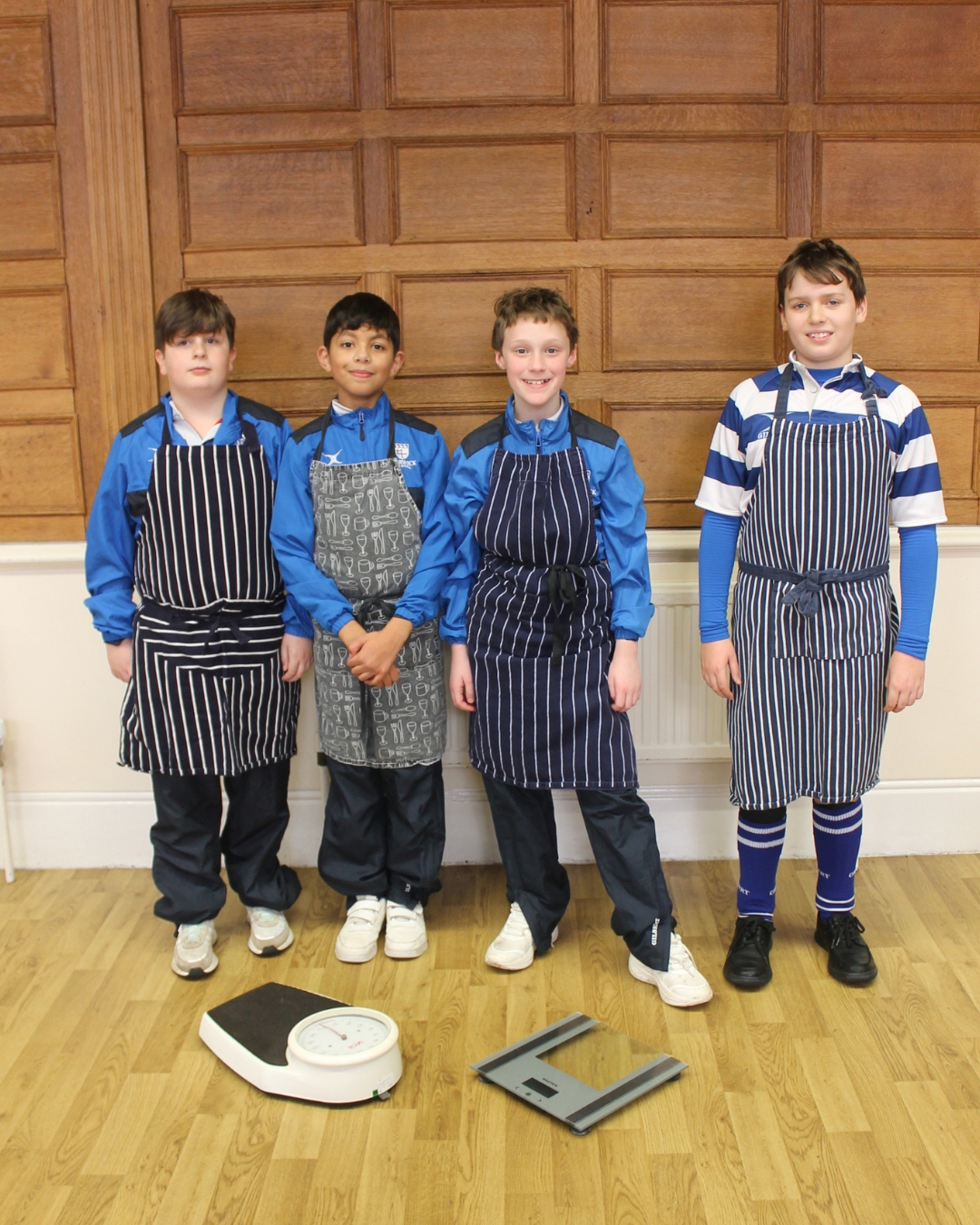
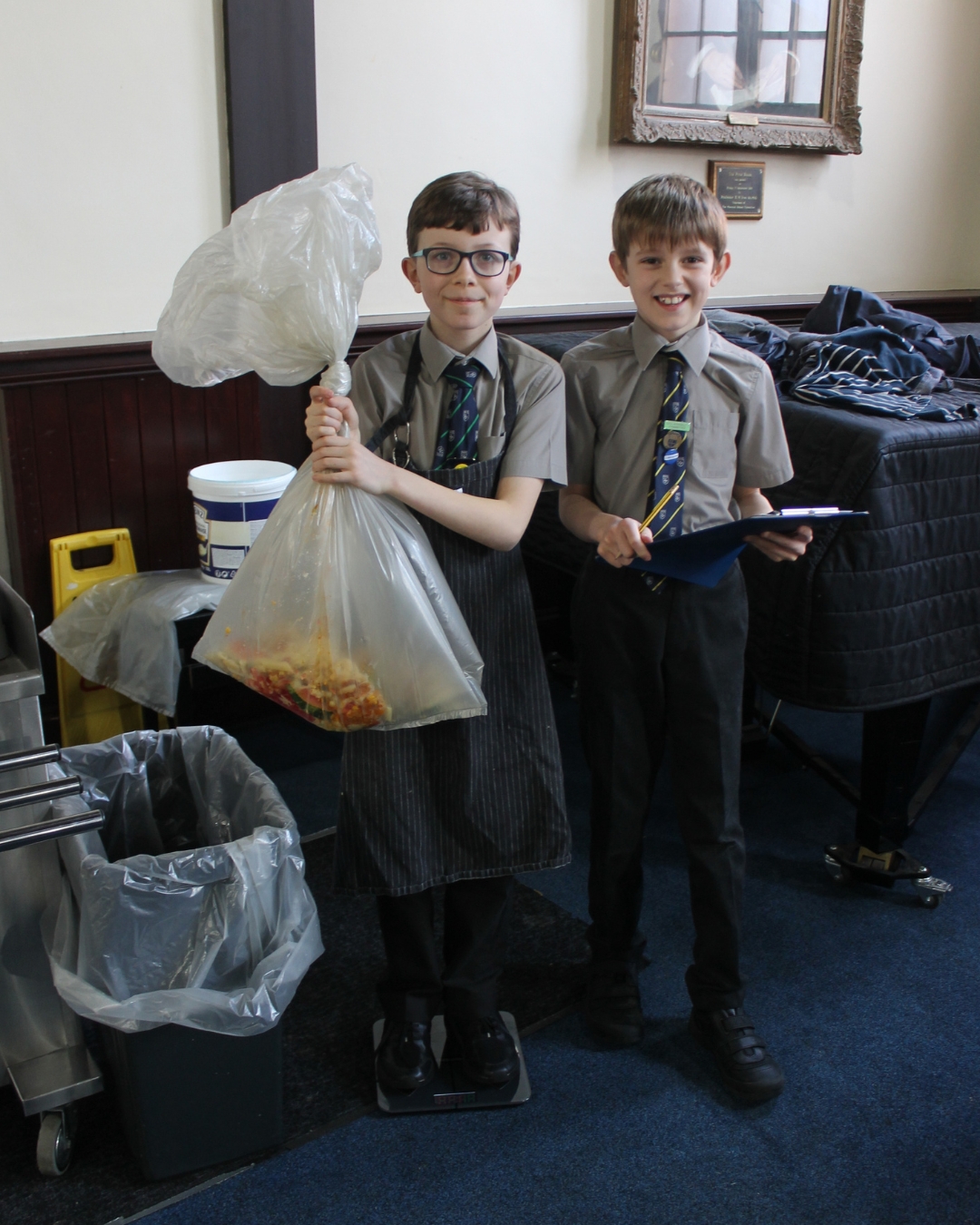
    Representatives from the Year 5 and Year 6 School Council, alongside members of the Year 6 Sustainability Team, recently took part in an important initiative to measure food waste in the school canteen. The project aimed to raise awareness about the growing issue of food waste and encourage more responsible habits within the school community.

    Food waste is a significant global problem. When food is thrown away, not only are the resources used to produce it—such as water, energy, and labour—wasted, but it also contributes to environmental damage. Decomposing food in landfill sites produces methane, a powerful greenhouse gas that accelerates climate change. At the same time, millions of people around the world face food insecurity, making the issue of waste even more pressing.

    During lunchtime, the students carefully collected and measured leftover food. The results were striking! Over 15 kilograms of food waste was recorded from the Junior School sitting alone. This powerful finding highlighted just how much food is being discarded in a single day and reinforced the importance of taking action.

    To build on this initiative, the School Council will be launching a House Art Poster Competition. The competition will encourage pupils to create persuasive posters that inspire others to reduce food waste. The message is simple but important — every small action counts, and together, we can make a difference.

    Thank you to our School Council for raising awareness and helping the school community work towards a more sustainable future, reminding everyone that even small changes in daily habits can have a meaningful impact.

    Read More
  • The Coventry Chess Academy Rapidplay

    Published 19/03/26

    On Sunday 15 March, the annual Coventry Chess Academy Rapidplay took place. This ECF-rated tournament organised by Mr Lam attracted a large turnout of some of Coventry & Warwickshire's best young chess players, including several children who rank within the top players in their national age group.

    Warwick was represented by Ansh and Alex of the Junior School and Maanya of Warwick Prep, all of whom performed very creditably in such a strong field, with Alex scoring 3/5 to finish as the Warwick 'Big Hitter' of the day.

    The tournament ran extremely smoothly, and much of the credit for this must be given to National Arbiter Gregory and Candidate Master Billy of the Senior School. Gregory was the Chief Arbiter for the event, and he undertook his duties with customary composure, efficiency and technical wizardry, showing once again why he is nationally regarded as a rising star in his field. Billy acted as Mr Lam's assistant for the day, in the course of which he helped to supervise games, play and analyse with the participants in between rounds, and present prizes at the end. Both were model professionals and received awards from Mr Lam on account of their outstanding service.

    Read More
  • A fun day at the Botanical Gardens

    Published 19/03/26

    On Tuesday 17 March, Year 5 set off on an unforgettable journey to Birmingham Botanical Gardens. As we disembarked from the coach, I thought about the wonderful activities we would do and the plants we would see. I was buzzing with excitement!

    I was group “A” and the first thing we could do was to explore the place. When we headed out the door, I could smell the sweet scent of orchids, daffodils, blossoms, and other unidentifiable flowers! As our group walked into the woods, a small fairy-like fountain appeared in front of us, its water shining in the soft sunlight. At last, it was time for our first activity which was “Rainforest Fun with Animals.” We climbed up the staircase to a vibrant, decorated room. We sat down and the Botanical Gardens teacher began the lesson. We kicked things off by learning about the layers of the rainforest and how plants and animals have adapted to live in the higher parts of the rainforest. Towards the end of our session, the teacher said they were bringing alive animals out! The first animal was a corn snake called Candice. Her scales were smooth and shiny and felt like a moving sausage! Then finally, it was time for lunch.

    After lunch, my group had the “Rainforest Challenge!” I was the most excited about this activity because it meant we were going into the glass houses! We were taken into a room where the teachers told us what we were going to do. It sounded like a fun experience, and it meant that we would get a chance to see lots of plants! We were told to split ourselves into groups of four or five and we were given a backpack filled with clues to help us find plants around the glasshouse. The activity was simple but fun. On the clipboard would be a sheet of paper with the starting letters of the name of the plant we were supposed to find in the glass houses. As we walked into the glass houses, I felt a burst of warm air hit my face. There were two glass houses we were supposed to explore, the subtropical glass house and the tropical glass house. At the end of it all, we discovered that my group was the only one to get all the questions filled in and correct!

    After a fun day at the Botanical Gardens, it was time to head back, but not before we visited the gift shop! It was a very enjoyable day, and I wish to come again.

    By Jason, 5S

    Read More
  • Safeguarding Focus – having difficult conversations

    Published 13/03/26

    Unfortunately, things do happen that can turn young lives upside down.  Talking with your child about separation, illness, death, or other life-changing topics might be emotional and distressing for both of you.  Having difficult conversations is hard, but if handled well, it can bring you and your child closer together.

    You might need to start a difficult conversation because you have to:

    • break some bad news
    • ask about something you're worried about
    • ask about topics you find uncomfortable – like sex or drugs
    • ask your child if they're worried or scared by something
    • ask your child about a new behaviour.

    It’s natural to feel anxious about having to talk to children about difficult topics.  But whatever the subject, and however old the child you're talking to is, you can make it easier for you both by thinking about how best to approach the topic.

    Before starting a difficult chat, it’s a good idea to think about where and when it is best to talk.

    Where? 
    Do they enjoy one-on-one time out of the house, whether that’s on a walk or in the park? Or would they prefer a private chat at home? If you're talking to just one child about something, think about how private the time and place are. It might work best to chat at a time when other children aren't around to interrupt.

    When? 
    Are they a morning person? Or do they get tired in the evenings? Make sure you’re chatting at a time when you both have the energy for the conversation.

    Starting a hard conversation

    Being too forceful when you start a hard conversation might stress a child out. They may be too worried to speak. But a more subtle approach might mean they get distracted, and you don’t discuss what you planned to. 

    Try the following: 

    • Make the conversation relevant to them
      You could reference a TV show or film they know that addresses the topic. Bring a storyline up and ask what they think about it.
    • Buy or borrow a book
      There are books written to help adults talk to children about particular subjects. After you’ve read the story together a couple of times, ask some gentle questions to check what they’ve understood. 
    • Build on school activities
      If they've discussed something in class, you could ask what they thought about the lesson or what their classmates thought.
    • Say a friend of yours needs advice
      Ask for their ideas. It's a nice way to show that you value their opinions while also finding out just how much they know about a subject e.g. online safety.
    Keeping the conversation going

    It might take time for your child to understand fully – and that's okay - try to keep your expectations realistic. It might not go as well as you hope, but give it time.  Your child might not be ready to talk straight away but could restart the conversation with you a few days later.

    It's also best to think about having a few bite-sized conversations over a period of time. It gives your child the time to process what you've discussed and stops the whole thing from sounding like a lecture.

    Find out more advice and tips on the NSPCC website.

    Read More