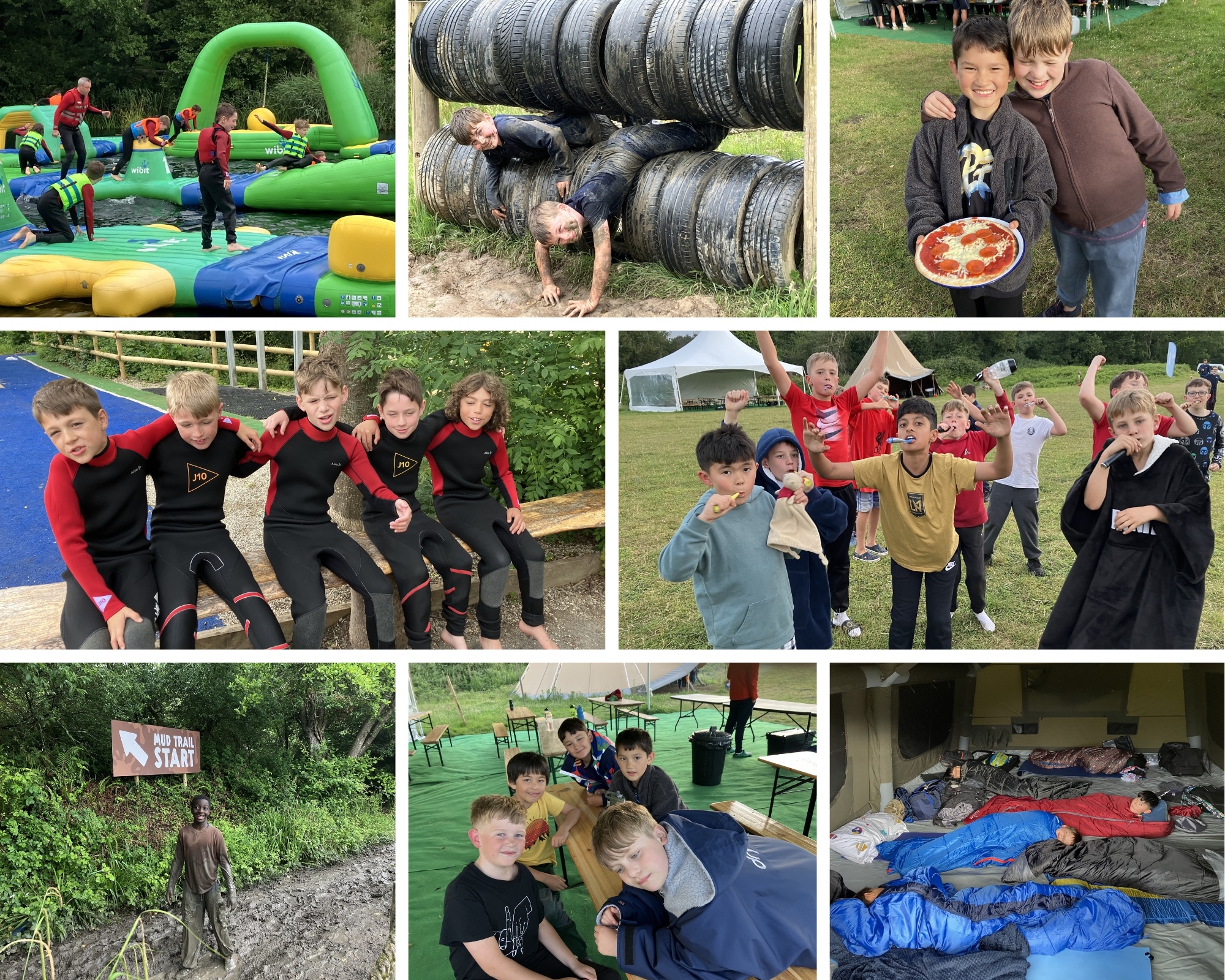
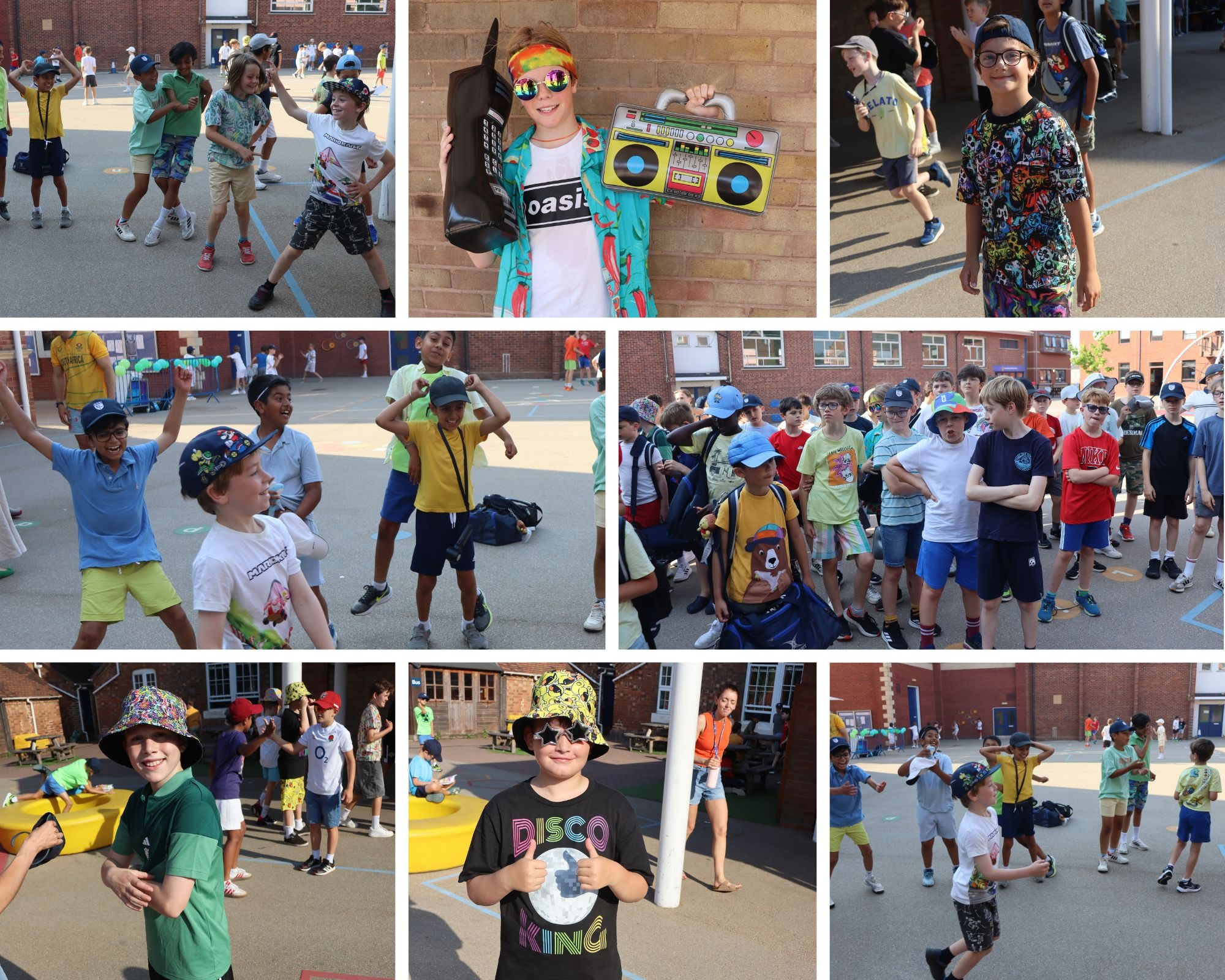
As we near the end of the academic year, the boys have had a very busy week. It has been a week in which our Learning Strength of Creativity has been evident across many aspects of school life. Our Sports Days have been a tremendous success, with boys competing with great enthusiasm, determination and team spirit. Alongside the excitement of competition, there was also a clear sense of individuality and creativity in how the boys approached their events—supporting one another, responding positively to challenges and taking pride in their efforts.
Year 6 have also impressed with their Young Enterprise Project, demonstrating creativity in both their ideas and their approach. It has been particularly pleasing to see the boys thinking independently, working collaboratively and showing initiative as they develop their projects. Thank you to the staff and parents who have supported the boys in this project.
It was wonderful to welcome so many Year 6 parents to our Leavers’ Chapel on Wednesday morning where the boys reflected on their time at the Junior School, sharing memories and their prayers for the school and wider community. The boys sung their chosen hymns with great enthusiasm and it was a lovely way for them to start their final few days in the Junior School.
In the Arts, a group of Year 6 boys performed at the LAMDA Showcase as part of Warwick School Arts Week, delivering assured and expressive performances which reflected both their dedication and their developing creative confidence. Meanwhile, across the school, Open Homework week—centred on the theme of adventure—has provided an opportunity for boys to think imaginatively and explore their learning in different ways, with a wide range of creative responses already being shared.
Finally, there has been great excitement surrounding the Junior Bake Off finals which happened this morning. Over the last few weeks, it has been wonderful to see the ‘Bake Off’ boys applying both creativity and perseverance in equal measure, producing some impressive and imaginative creations. We also look forward to welcoming many visitors to the school for Open Evening later today. These occasions provide a wonderful opportunity to share the spirit of the school more widely, and I would like to thank both the boys and parents for their support in preparing for this event. I have no doubt that the boys will represent the school exceptionally well, as they always do, and give visitors a genuine insight into the warmth, energy and creativity of life at the Junior School.
I wish you all a restful and enjoyable weekend.
John Bond



.jpg)
.jpg)
.jpg)