










Future Thought Leaders
During the summer, James in Lower Sixth attended the Future Thought Leaders (FTL 2025) programme, a global leadership programme to prepare 16-18 year for university entry. He had a fantastic few days and was awarded a prize for Best Presenter. Here is James' account of his time at FTL 2025.
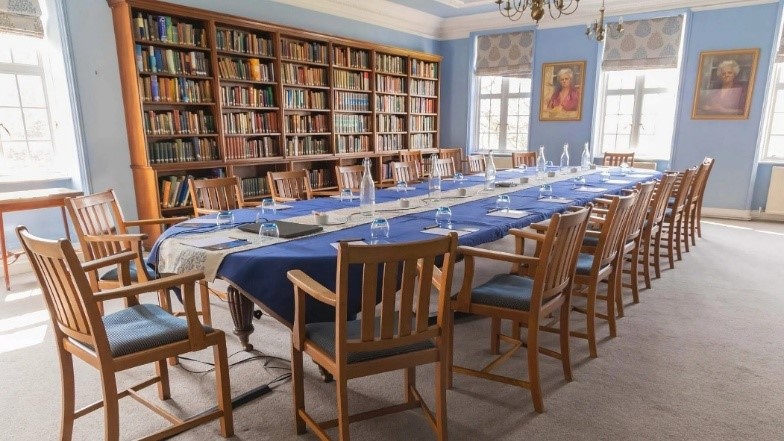
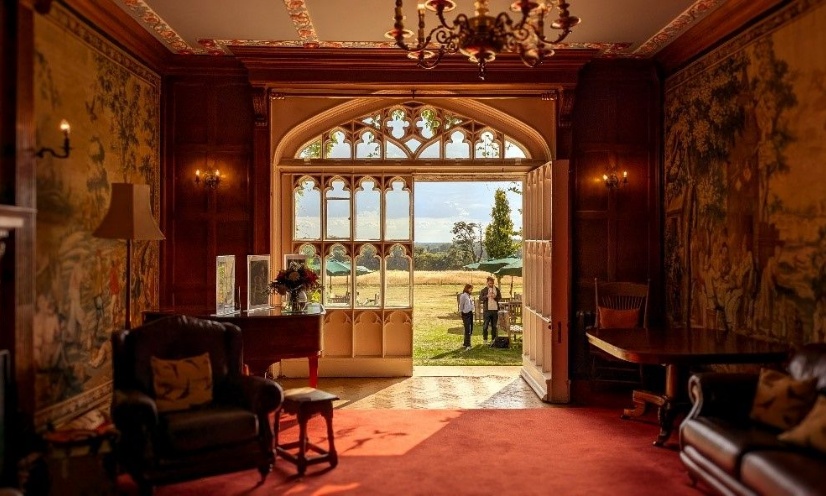
The few days I spent at Cumberland lodge were, to put it simply, fascinating. The house itself, built in the mid-17th century, has welcomed many important and influential figures since its construction. In fact, many of the pivotal meetings regarding the abdication of King Edward VIII were held in the dining room where I ate my meals.
I arrived not knowing what to expect from Future Thought Leaders. FTL 2025 was the first year of the programme and as such not much information about the camp was available. With 21 other Lower Sixth students in attendance, all highly knowledgeable in their fields, I felt slightly intimidated walking into the drawing room for the first time. It became quickly apparent, however, that these would be some of the most enjoyable and enlightening few days of my academic career.
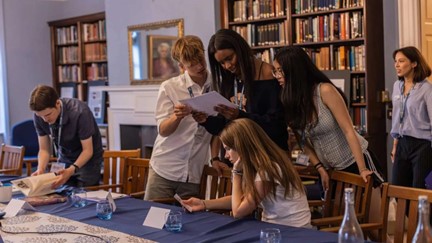
Over the course of my three days in Windsor, I enjoyed eight separate seminars. Each morning began with a talk from either Dr. Dennis, or the other two teachers helping run the camp. This would set us up with any knowledge we may not already know about the topics under focus for the day.
On top of this, on Tuesday and Wednesday, each morning session was also dedicated to delegate lead talks and discussions. I started this series with my own talk on AI and bias, exploring the complex philosophy of Wittgenstein which, in my essay on the subject, won me a place and scholarship to the programme.
In the prize giving on the last day, I actually won the Best Presenter Award. However, the other talks I participated in were equally interesting and thought-provoking as the professional seminars later in the day.
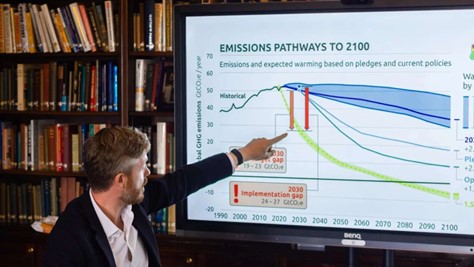
The structure for FTL was quite unlike anything else I’ve ever done. It was very intense, to say the least, with four hour and a half slots a day. However, I really enjoyed the focus on discussion and participation at the core of the programme’s ethos. I got to talk to leading academics and professionals in various fields, from Lavinia Osbourne’s work on Blockchain to Dr Charles Ogilvie and his role in strategy for the UK’s COP26 Residency. In the lead up to the programme I did a lot of research on the theory behind many of the concepts under discussion. What FTL has taught me is that I am much more interested in the practical application of this theory, and whilst I still spend time researching and developing my knowledge, it is the everyday and wider problems within our society that can be solved through philosophy which interest me most.
I met some amazing people over my time at Cumberland lodge, people I’m sure I will be friends for life. It has taught me how to listen and reflect on what others around me are saying and doing. Observation is just as important as contribution, and I hope to bring some of the skills I have learnt back into the classroom and beyond.